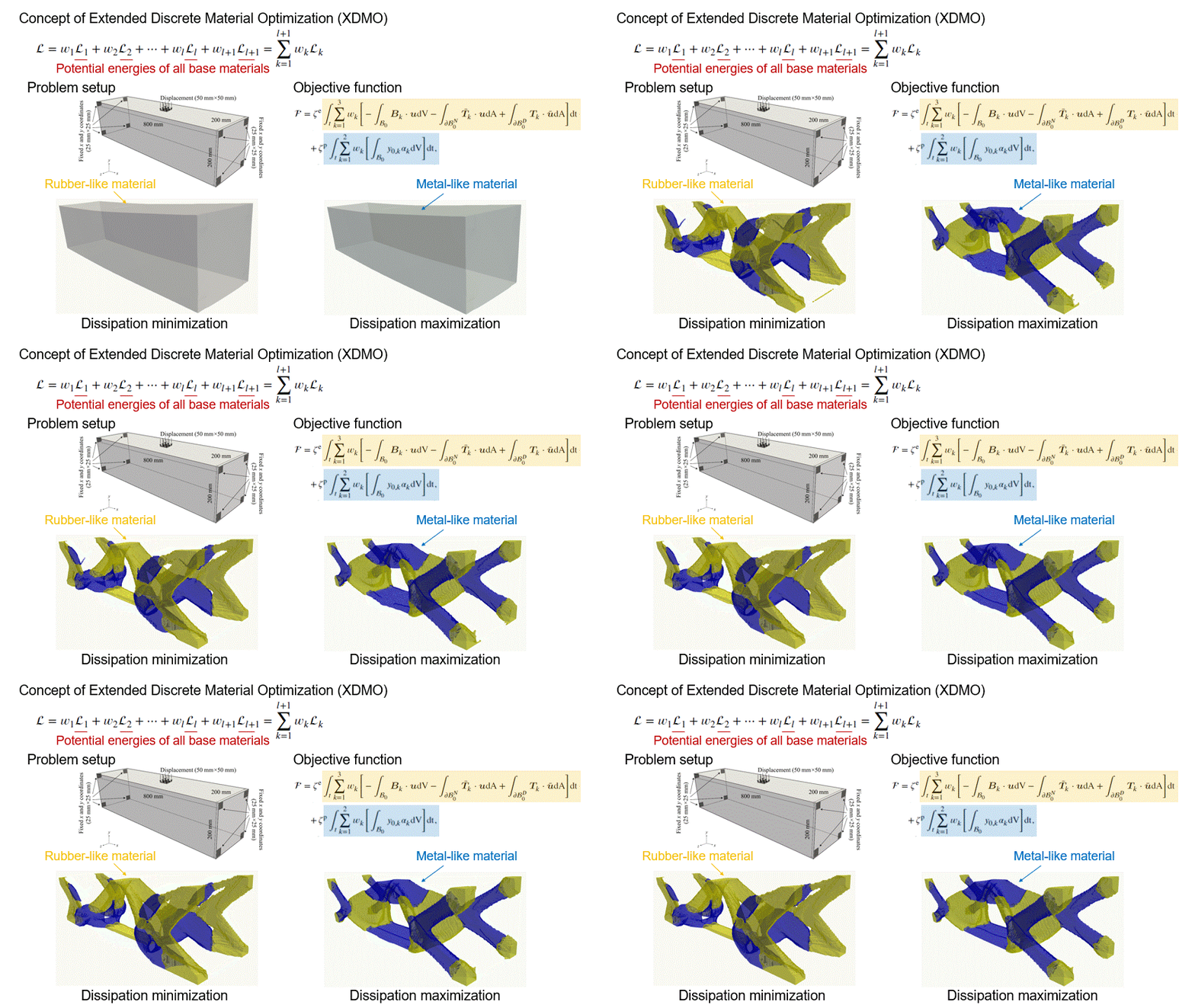
From natural materials to engineered materials, many materials exhibit nonlinear behaviors, including viscosity, plasticity, and damage. However, conventional studies have typically assumed linear elasticity and focused on deriving optimal structures under the premise that deformation should be minimized.
In our laboratory, we actively integrate advanced material mechanics theories with topology optimization in order to develop optimal design methodologies that fully exploit intrinsic material characteristics. This approach enables the creation of structures that cannot be realized within traditional linear-elastic frameworks.
CFRP (Carbon Fiber Reinforced Plastic) exhibits exceptional strength along the fiber direction while being much weaker in the transverse direction. To fully exploit the potential of such anisotropic materials, material orientation must be optimized together with structural topology. In our laboratory, we are working on the simultaneous optimization of both the material distribution representing the structural shape and the material orientation.
Structural problems involving contact and friction exhibit strong nonlinearities and discontinuities, making stable and high-accuracy design difficult with conventional approaches.
In this research, contact constraints and friction laws are rigorously formulated within the framework of continuum mechanics and treated in a unified manner as variational inequality problems. By developing adjoint-based sensitivity analysis and robust numerical algorithms, we aim to establish a novel design framework in which contact and friction are not merely treated as constraints, but actively exploited as design freedoms.
Fluid machinery, such as pumps and turbines, transfers energy between mechanical systems and fluids. These devices are required to achieve high efficiency while satisfying multiple performance criteria, including vibration and noise reduction. In particular, many types of fluid machinery involve rotational motion, and accurate prediction of the complex internal flow fields requires advanced numerical simulation.
In our laboratory, we integrate computational fluid dynamics (CFD) with topology optimization to develop and refine innovative design methodologies for fluid machinery. This approach enables systematic exploration of novel configurations that improve performance and efficiency beyond conventional design paradigms.
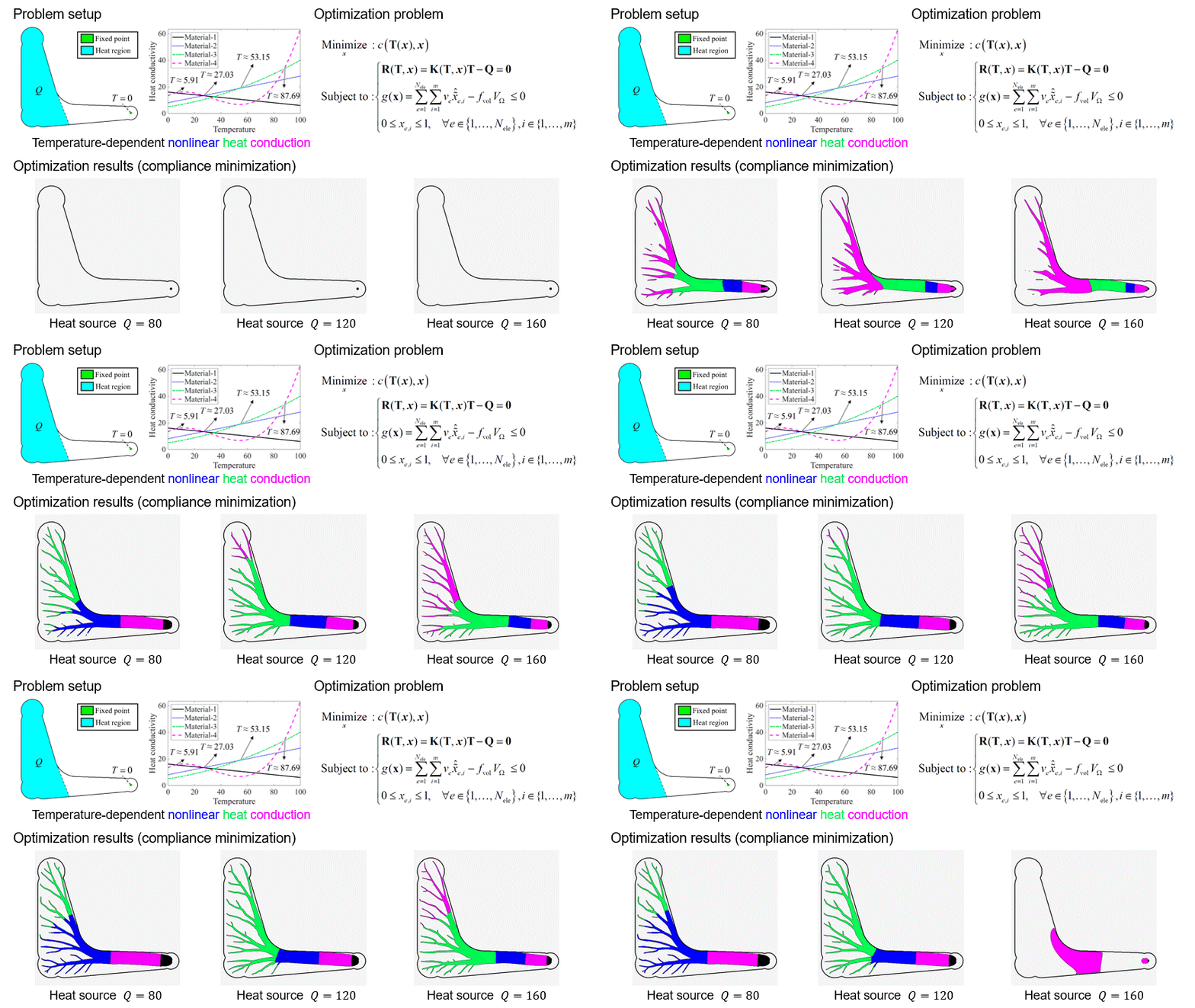
In structural design, conventional optimization approaches based on linear assumptions are insufficient due to the influence of temperature-dependent material properties, thermal radiation, and phase transitions.
In this research, the nonlinear heat conduction equation, incorporating temperature-dependent thermal conductivity and internal heat generation, is formulated as the governing equation and integrated with topology optimization. By developing adjoint-based sensitivity analysis and stabilized numerical algorithms, we aim to create highly efficient heat dissipation structures and advanced thermal management devices.
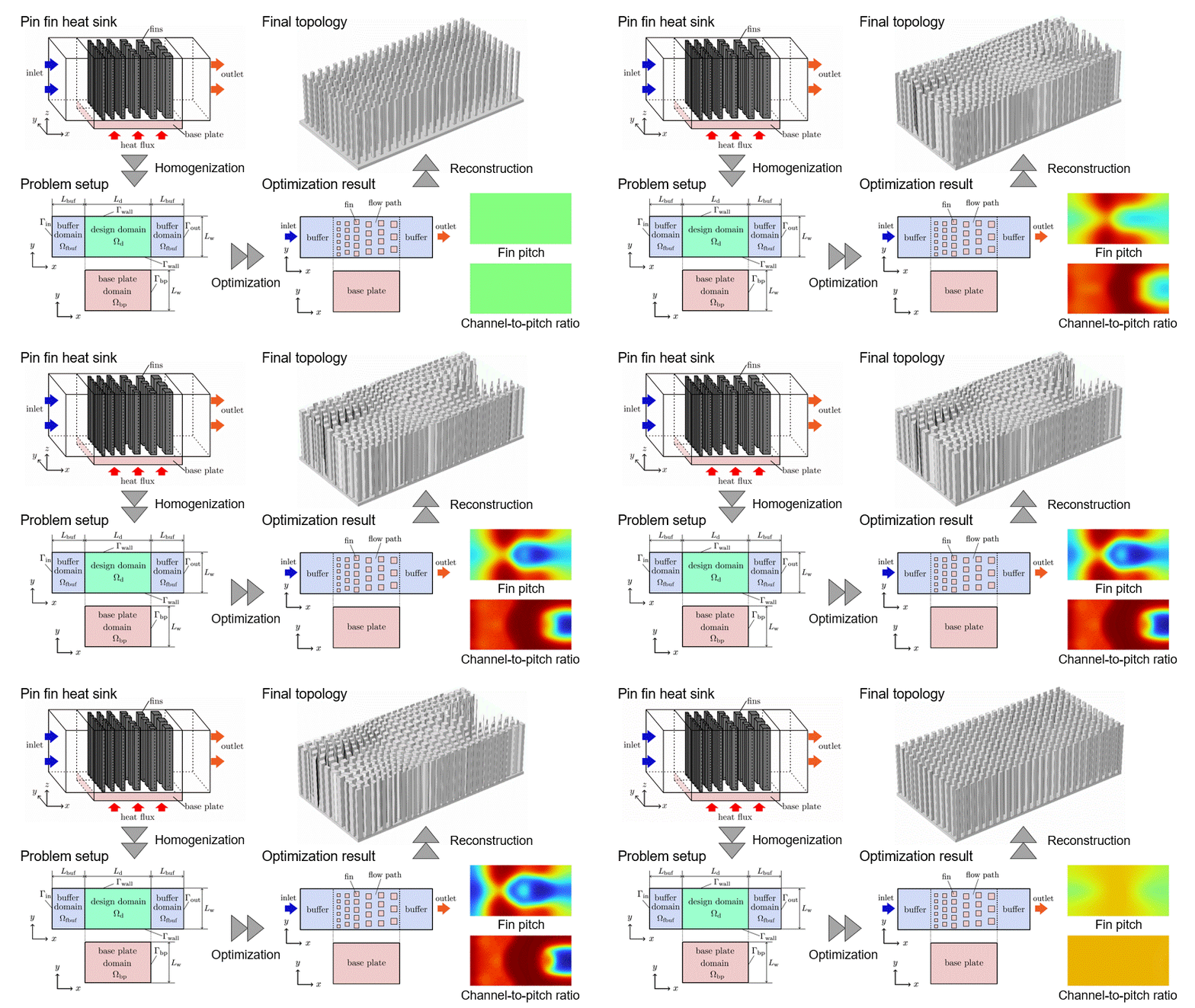
With the ongoing miniaturization and performance enhancement of electronic devices, thermal management has become a critical issue. To address non-uniform heat generation within devices, the dimensions of individual fins in a heat sink can be tailored to regulate the flow field and heat transfer rate, thereby enhancing heat dissipation performance.
However, the design of functionally graded heat sinks typically requires large-scale thermo-fluid simulations, making conventional optimization approaches computationally demanding and often impractical.
In our laboratory, we develop optimization methods that employ surrogate models trained to capture the thermal and flow characteristics of fins. By integrating these surrogate models into the design framework, we enable efficient optimization of fin dimension distributions for improved thermal performance.
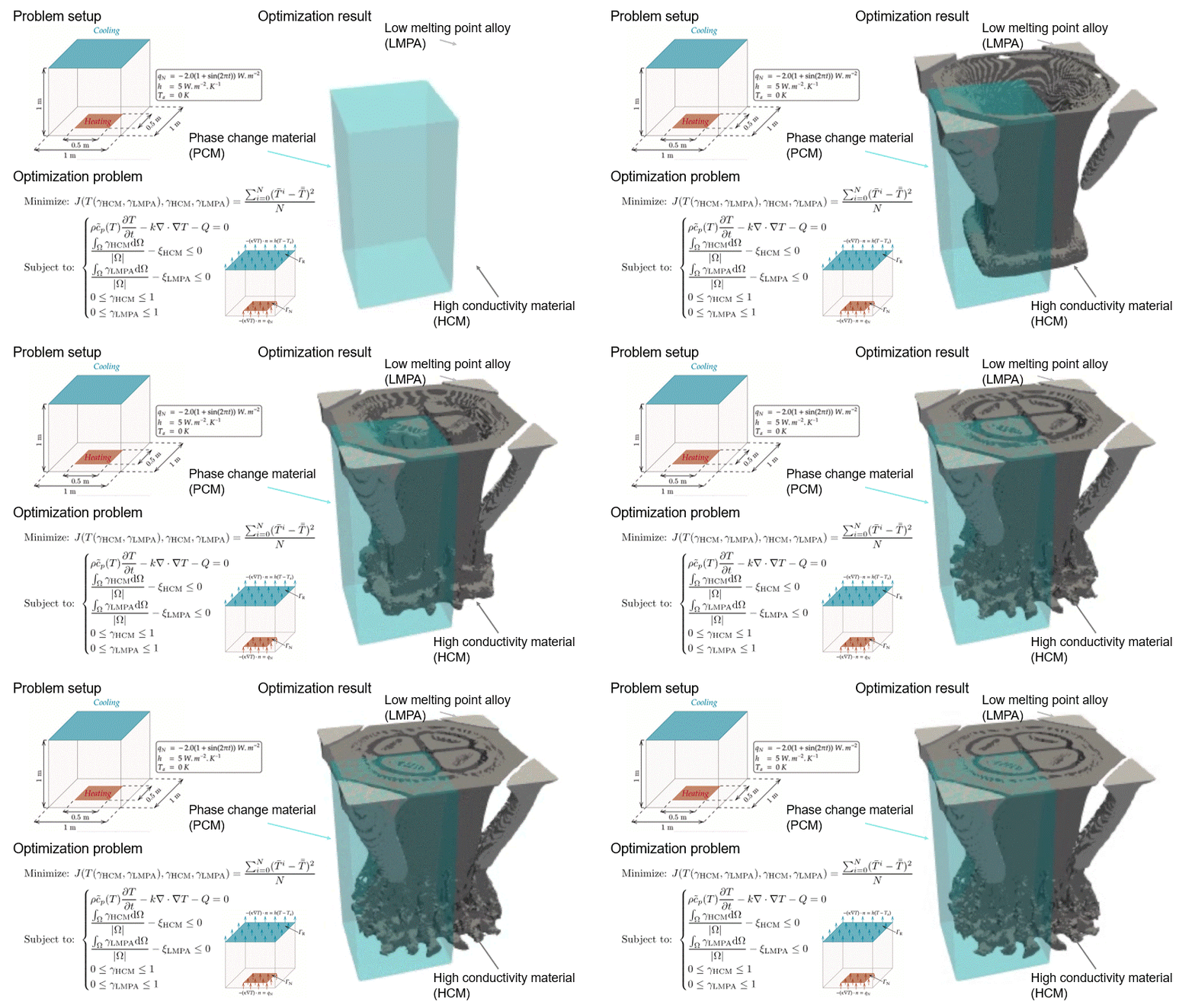
Phase change materials (PCMs) enable efficient cooling through latent heat absorption. However, due to their low thermal conductivity, topology optimization is essential to determine the optimal distribution in combination with high thermal conductivity materials (HCMs). In this research, we introduce a low melting point alloy (LMPA) that possesses an intermediate thermal conductivity between PCM and HCM and a slightly lower latent heat than PCM. In the optimized configuration, the LMPA forms distinct branching structures and partially replaces gray-scale regions, thereby effectively enhancing the ability to suppress temperature fluctuations.
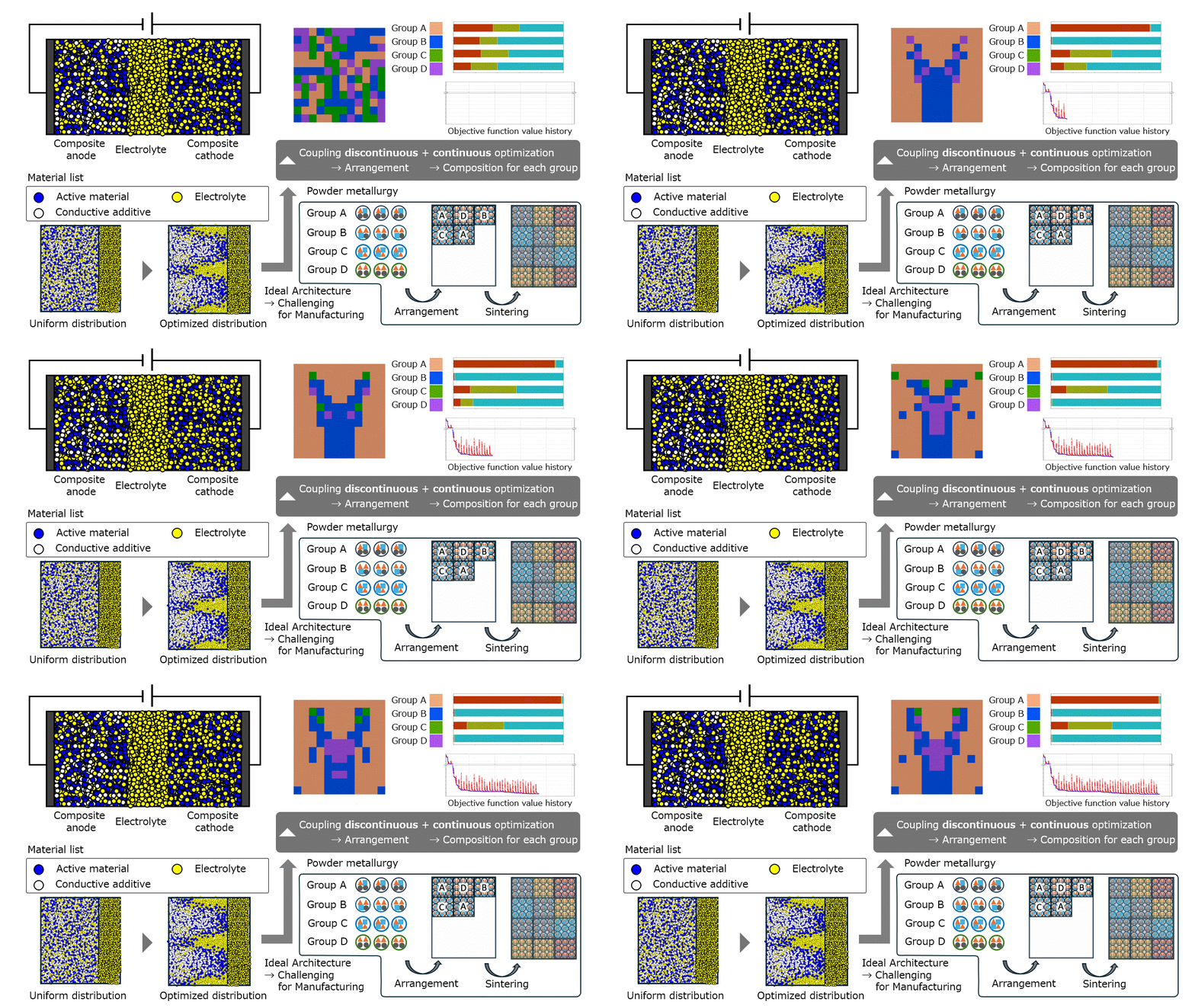
All-solid-state batteries have attracted significant attention as a promising alternative to conventional liquid-based batteries, particularly due to their improved safety and reduced risk of ignition.
In our laboratory, we apply topology optimization to the internal structure of all-solid-state batteries in order to derive material distributions that maximize the performance of each constituent material. The optimal architectures are obtained based on rigorous mathematical formulation and physical principles, enabling systematic design of high-performance battery structures.
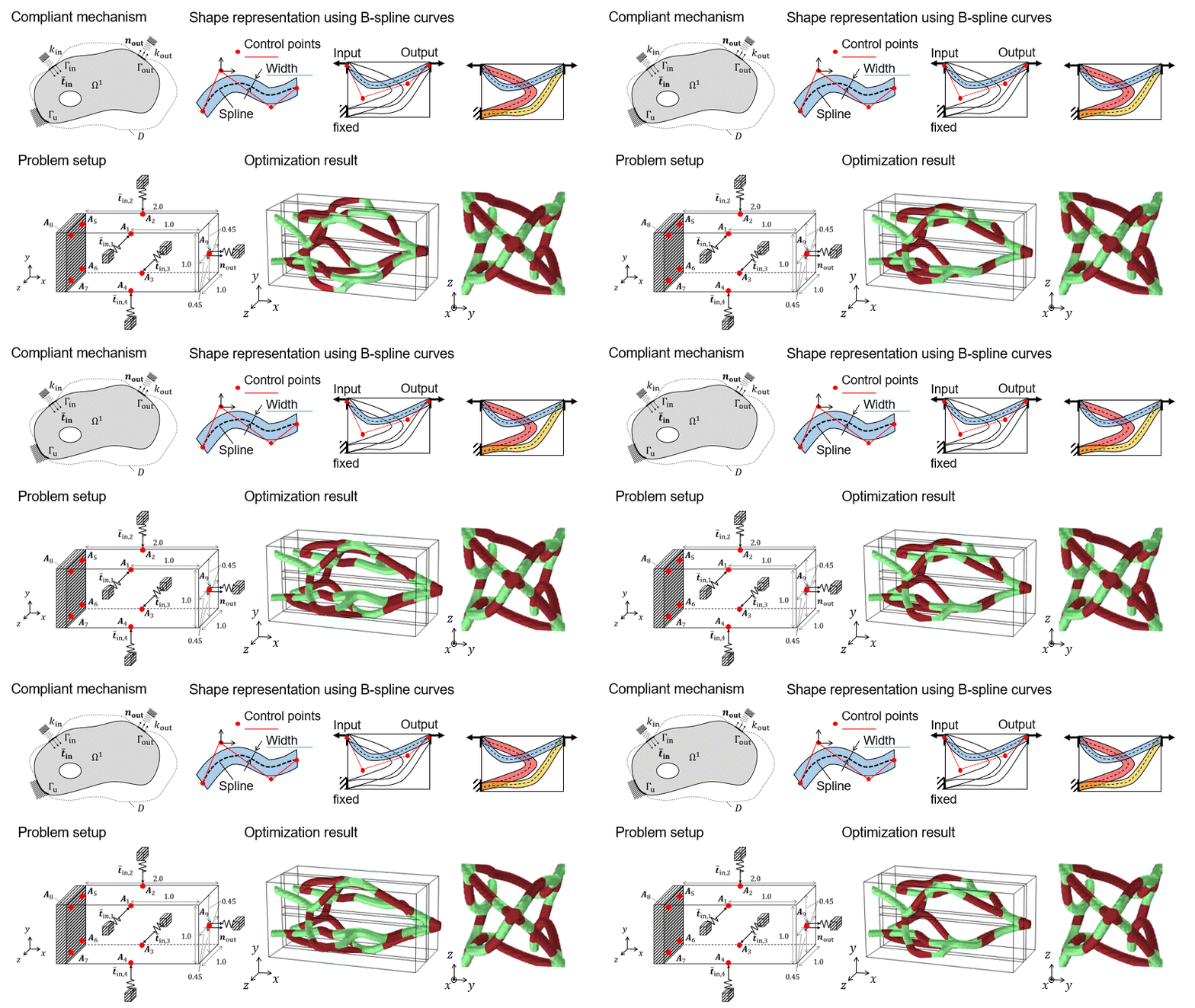
Topology optimization often produces structures containing extremely thin members or discontinuous material distributions. Such features may induce stress concentrations and can be difficult or even impossible to manufacture in practice.
To address these issues, our laboratory investigates optimization methods based on the spline representation approach, in which the material distribution is represented by multiple splines. This framework enables explicit control of the minimum structural thickness and ensures material continuity across the design domain boundaries, leading to practical and manufacturable optimal structures.
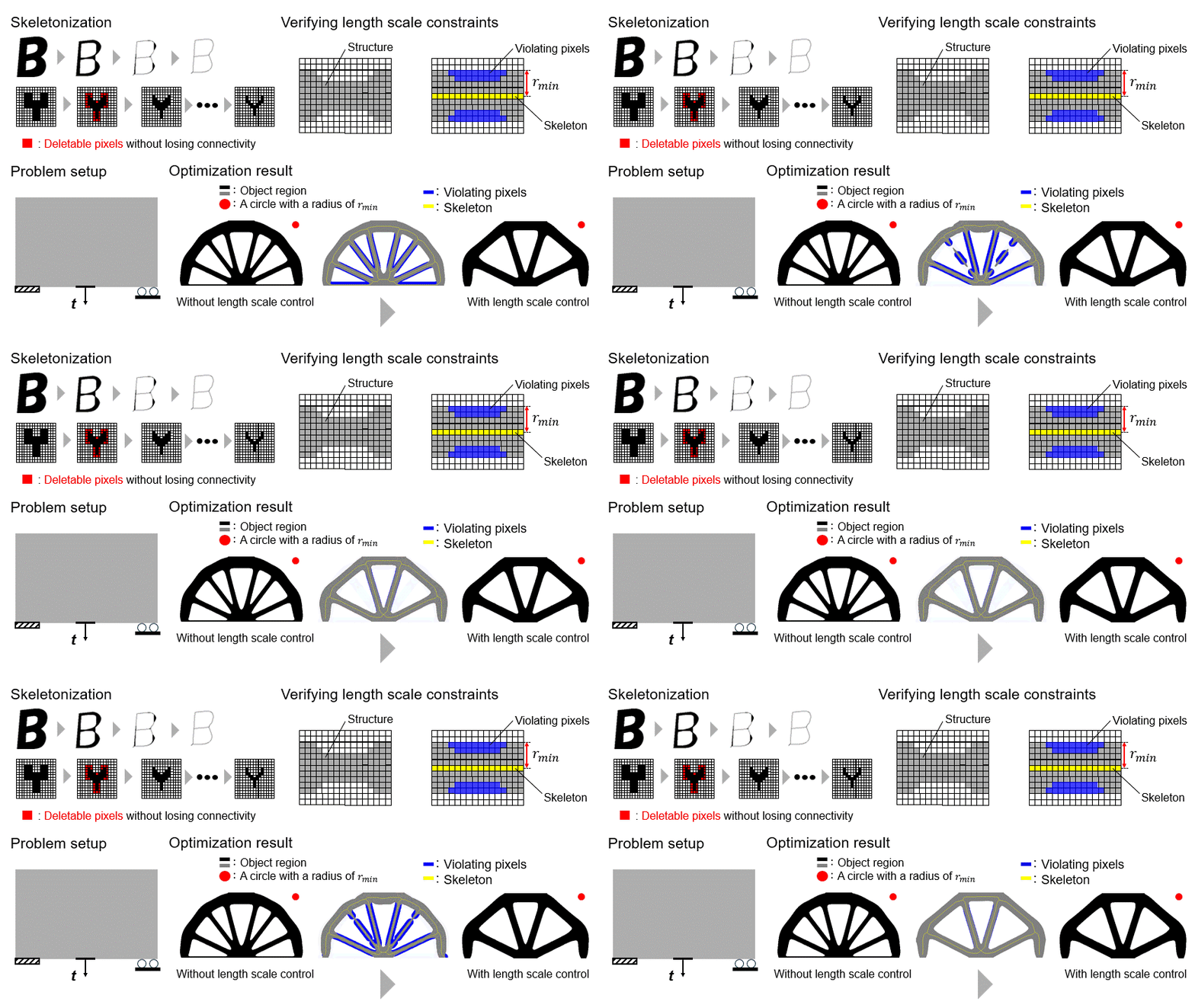
One of the challenges in topology optimization is that the resulting optimal structures can be excessively complex and difficult to manufacture. Designers are therefore often required to modify the optimized geometry in a post-processing step. However, adjusting the structure to ensure manufacturability while preserving its optimal performance is not straightforward and frequently relies on empirical judgment and trial-and-error.
In our laboratory, we investigate dimension-control methods that incorporate image processing techniques, such as thinning algorithms, directly into the optimization process. By embedding manufacturability constraints at the optimization stage, we aim to systematically enforce maximum and minimum feature-size requirements while maintaining structural performance.
We investigate a neural network framework for structuring corporate audit findings and enabling systematic causal analysis. The core of this research lies in a novel architecture we developed, termed SAE-TALB.
In this approach, audit texts are first vectorized using a sentence embedding model and then compressed into a latent space via a sparse autoencoder (SAE). The network is trained so that interpretable features are concentrated into a small number of activated nodes, enhancing explainability.
Furthermore, by integrating three task-specific encoders with a shared decoder in a unified architecture, the proposed model separates and structures information into two components: elements aligned with an existing classification system and task-independent factors that are difficult to capture within conventional taxonomies.
Through this mechanism of disentangling and extracting structured knowledge from previously unstructured text, the framework aims to extend beyond quality audits to applications such as anomaly detection and risk prediction in complex manufacturing data.
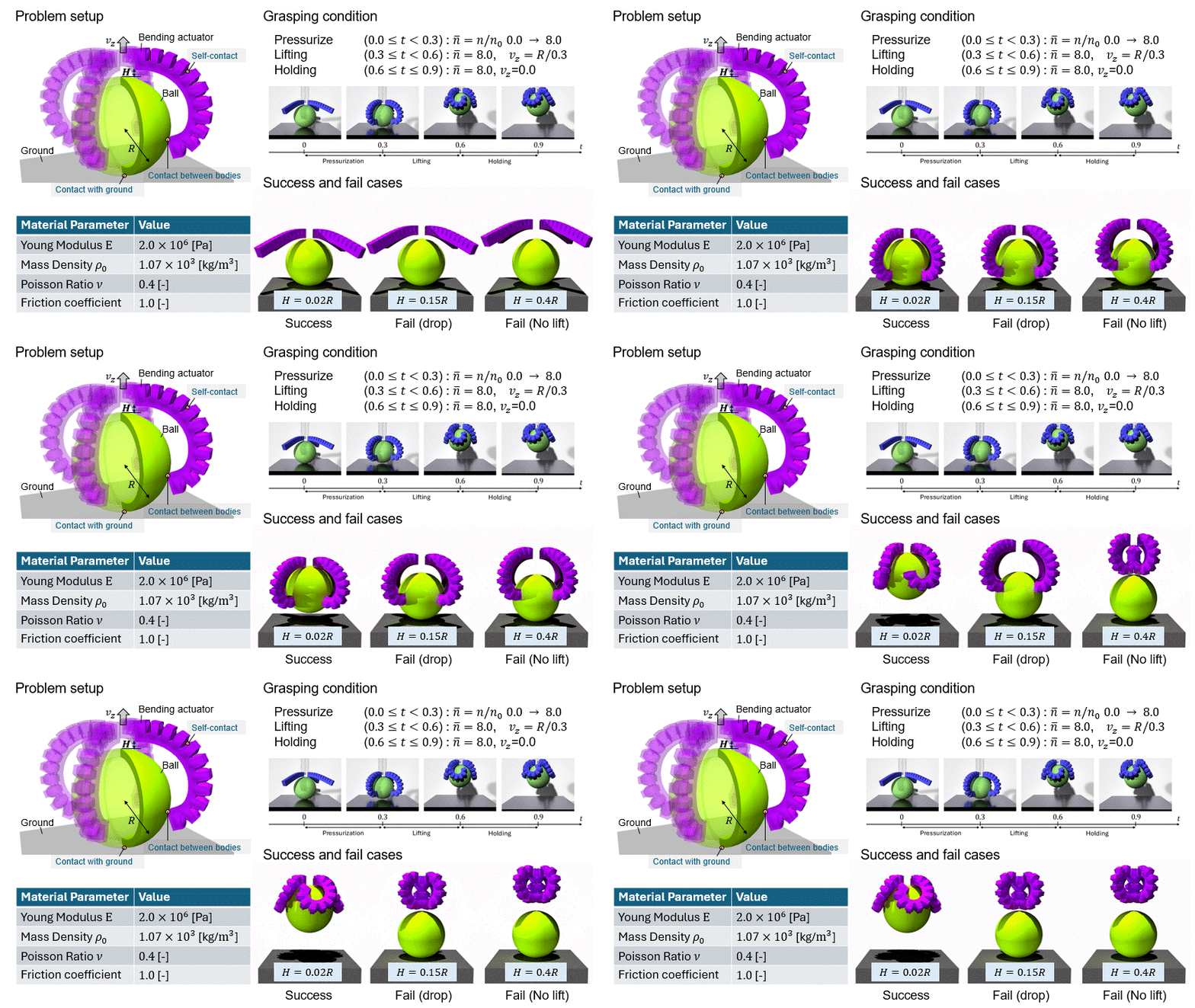
Soft robots involve multiple interacting physical phenomena, including large deformation, contact, friction, material nonlinearity, and actuation mechanisms such as fluid pressure or thermal response. In this research, we develop numerical methods for solving strongly nonlinear problems, including contact and friction, based on finite-deformation continuum mechanics. Furthermore, by integrating model order reduction and learning-based approximations, we establish a computational framework that enables rapid evaluation within optimization loops. This approach allows the integrated exploration for the systematic design methodology of soft robots.
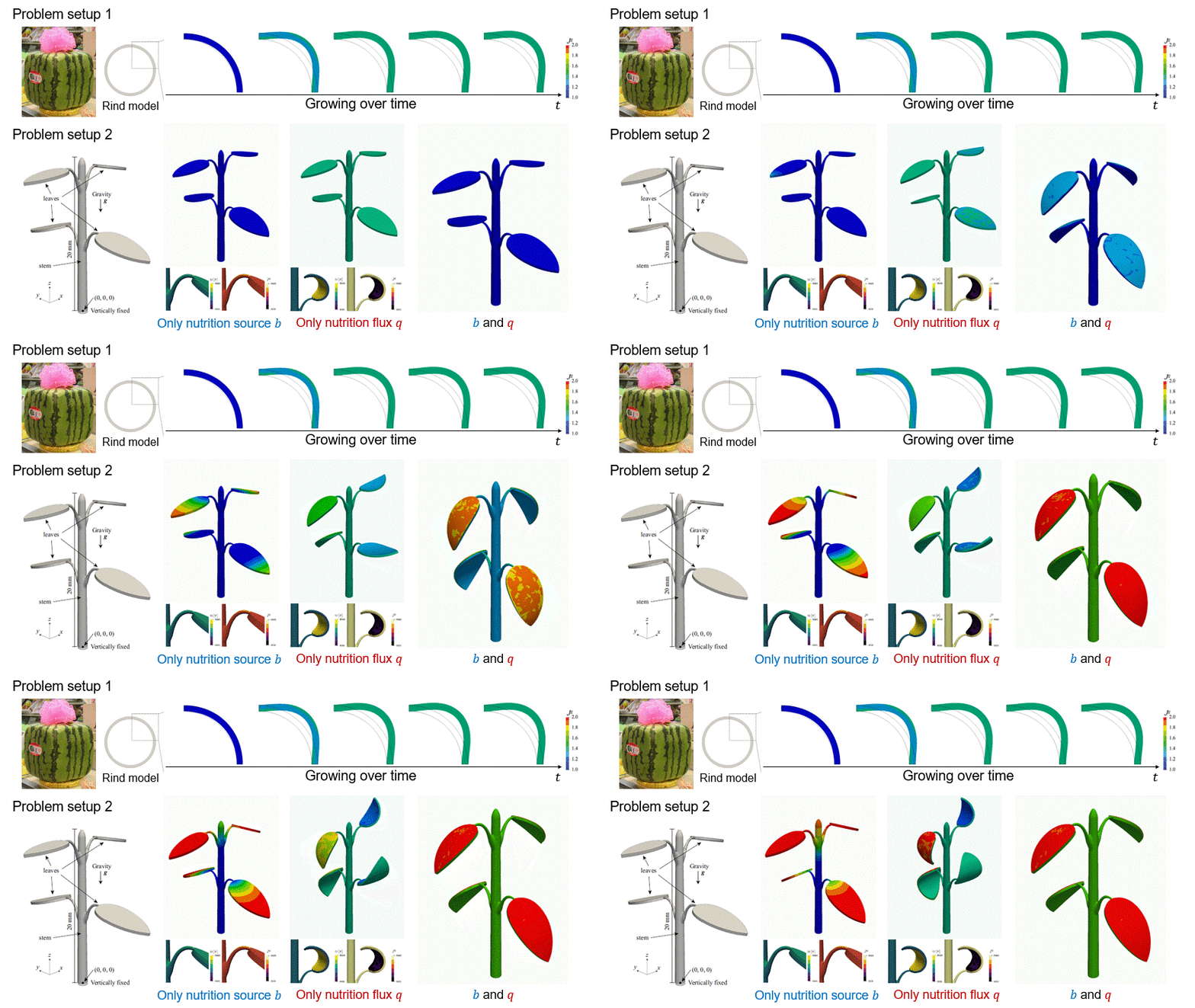
The growth and atrophy of biological materials are understood as multiphysics phenomena involving the coupled interaction of mechanical stimuli, chemical reactions, mass transport, and energy metabolism.
In this research, we develop a unified mathematical framework for tissue remodeling based on continuum mechanics. By introducing growth deformation theory and constitutive models with internal variables, we systematically describe the evolution of biological tissues. Furthermore, reaction-diffusion equations and electrochemical transport models are incorporated to account for coupling between mechanical and biochemical fields.
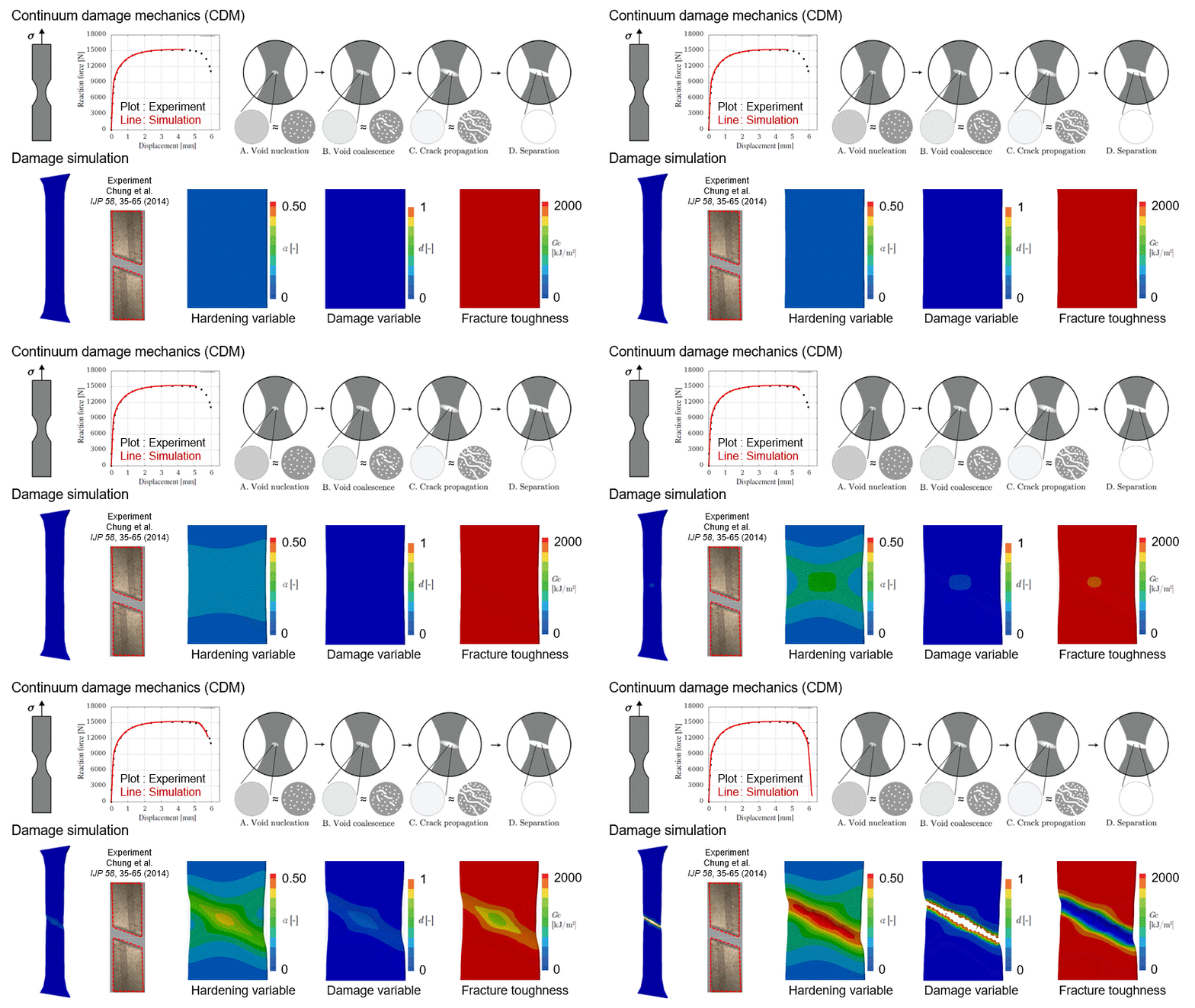
Fracture in materials is a strongly nonlinear phenomenon involving crack initiation, propagation, and localization. In this research, we develop a mathematical framework based on gradient damage theory to describe the spatial distribution of damage as a continuous field.
Furthermore, by integrating finite deformation theory with high-accuracy numerical methods, we aim to achieve reliable prediction of fracture processes in structural materials and promote their application to advanced structural design.